Community Revitalization
IHDA’s grant and technical assistance programs are key tools that can help
to expand workforce housing options in response to employer relocations
and expansions.
Illinois’ population has grown for three straight years as families and businesses decide to stay and build in communities across the state.[i] While this trend can be attributed to a range of state and local investments in education, public safety, and economic opportunity, it also highlights the essential role that stable, affordable housing plays in helping communities attract and retain residents and local businesses. As municipalities across the state plan for the future and position themselves to attract new investments, housing has emerged as a core piece of local strategies aimed at strengthening neighborhoods, improving quality of life, and more.
In 2024 and 2025, IHDA expanded its role as a partner to municipalities across the state through a combination of grant programs, technical assistance, and direct support for local governments and planning staff. By aligning state resources with locally identified priorities and working alongside municipal leaders, regional planning organizations, and community stakeholders, IHDA’s partnership and support ensures that housing investments generate impact far beyond the homes or units themselves.
One of the most direct ways IHDA supports municipalities is through home maintenance and repair programs that help communities preserve their existing housing stock. Through grants administered in partnership with local governments, IHDA delivered $28.9 million in funding to help 641 homeowners address critical repairs such as roofing, accessibility improvements, and essential home systems. These investments help families and older residents remain safely in their homes while preventing further deterioration of aging properties. In many communities, these programs not only improve individual homes but also stabilize entire blocks, protecting quality of life for entire neighborhoods, strengthening the local tax base, and preventing the loss of naturally occurring affordable housing.
“IHDA delivered $28.9 million in funding to help 641 homeowners address critical repairs such as roofing, accessibility improvements, and essential home systems.”
Not all challenges facing communities are solved through financial support alone, and technical assistance has also become an increasingly important piece of IHDA’s community revitalization efforts. For years, many Illinois municipalities have faced persistent challenges related to vacant and abandoned properties, which can strain local resources and hinder redevelopment. To help address these issues, IHDA not only awarded $14.0 million to help municipalities maintain or demolish 1,045 vacant properties, but also provided nearly 2,000 hours of direct technical assistance through the Land Bank Technical Assistance Network to support communities exploring land banking and other strategies to return underutilized properties to productive use. By helping municipal and county governments build their capacity to manage vacant land and plan for redevelopment, IHDA empowers communities to transform liabilities into opportunities for housing, green space, and neighborhood investment.
IHDA is also committed to empowering local governments and planning staff with the knowledge, data, and partnerships they need to address local housing needs. In addition to house-made data tools, IHDA provides proactive planning services that help communities align housing investments with broader community development strategies and position local jurisdictions for future investments. These services include a variety of activities including market reviews, housing stock surveys, community outreach, and the development of funding strategies specifically tailored to local needs, preferences, and priorities.
Rather than imposing a one-size-fits-all solution, IHDA’s support for communities is intended to complement local planning efforts and strengthen the partnerships needed to create long-term progress. The result of this holistic, collaborative approach that blends funding, access to data, and technical assistance is an impact that extends well beyond individual homes or developments. Through this work, IHDA gives municipal leaders, anchor institutions, and residents tools to build for the future and achieve their vision of the communities they serve.
Transforming Northern Illinois
Transforming Northern Illinois
In northern Illinois, IHDA’s partnerships have helped to transform vacant properties into new homeownership opportunities as employer expansions drive the need for more housing in the area. The Region 1 Planning Council, serving communities across Stephenson, Winnebago, Boone, McHenry, Lake, and Ogle Counties, worked with IHDA through the Land Bank Technical Assistance Program to establish the Northern Illinois Land Bank Authority. Focused on acquiring tax-delinquent, legally abandoned homes in the region, the Land Bank has emerged as a key tool for the region as it acquires, stabilizes, and redevelops vacant and abandoned properties that have stood in the way of neighborhood revitalization efforts. To date, the Land Bank has impacted 1,400 previously vacant homes in the region.
“Thanks to roughly $450,000 of investment from IHDA, we have turned our land bank into a multimillion-dollar revolving fund for property reinvestment,” said Michael Dunn, Executive Director, Region 1 Planning Council.
“The impact of Strong Communities Program funding is very apparent and very quick… ”
As the focus has shifted from blight reduction to workforce housing in response to several corporate relocations and expansions over the past several years – including the reopening of the Stellantis Assembly Plant in Belvidere – Region 1 has also used funding from IHDA’s Strong Communities Program to transform the vacant homes acquired by the Land Bank into new homeownership opportunities for local residents. By acquiring distressed properties, prioritizing rehabilitation over demolition, and preparing homes for sale as naturally occurring affordable housing, the initiative is helping return long-vacant buildings to productive use while advancing opportunities for homeownership and economic growth in the region.
“The impact of Strong Communities Program funding is very apparent and very quick… The houses that we would have acquired and demolished 10 years ago are houses that we can rehabilitate and make an affordable home for someone in the neighborhood,” said Eric Setter, Director of Community Revitalization, Region 1 Planning Council.
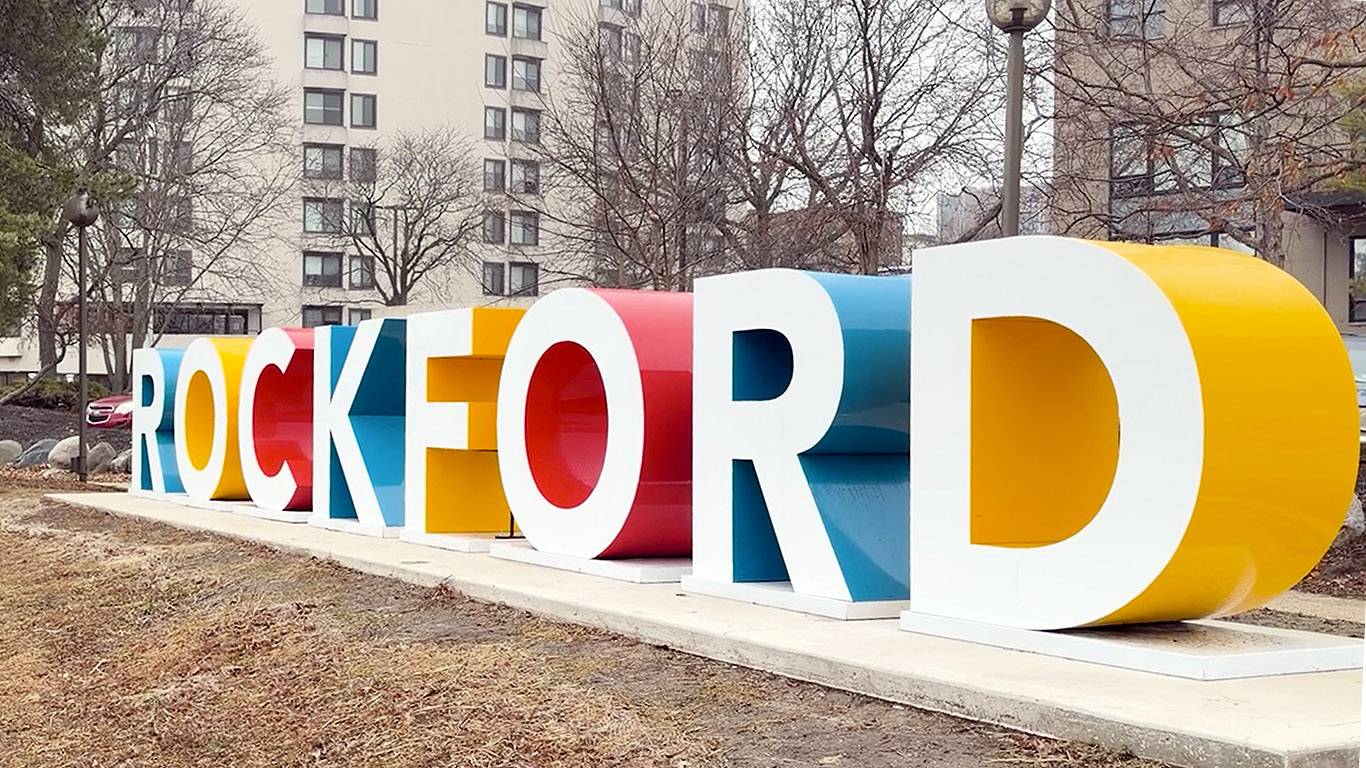
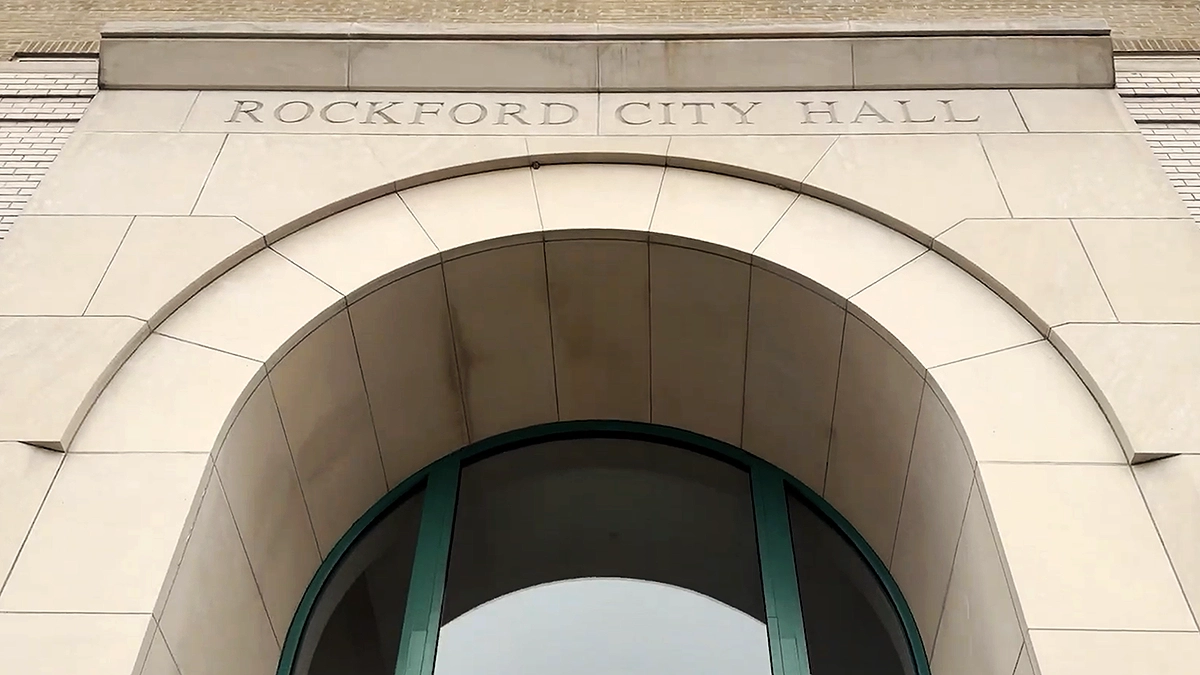
At the municipal level, IHDA’s partnership with the City of Rockford illustrates the broader impact of this collaborative approach. In addition to Strong Communities Program funding that helps address vacancy and neighborhood stabilization, Rockford has benefited from ongoing technical support from agency staff, down payment assistance from IHDA Mortgage programs, and IHDA’s multifamily housing investments that include the recent renovation of a historic downtown hotel into modern affordable apartments. Together, these efforts have helped the city advance a comprehensive neighborhood investment strategy that includes preserving existing housing, creating new affordable rental opportunities, and supporting neighborhood revitalization efforts that align with the city’s social and economic goals.
“Thanks to roughly $450,000 of investment from IHDA, we have turned our land bank into a multimillion-dollar revolving fund for property reinvestment”
“We’ve had the blessing of being named the number one hottest housing market in the nation, but we’ve also had the challenges that come with getting more recognition. There isn’t a day that goes by that I’m not talking to a CEO of a company that’s saying ‘we need more housing’ so they can keep their employees right here, and not commuting in from the suburbs or even Wisconsin to work here… So we need to make sure we’re providing safe, affordable housing for everyone who wants to call the City of Rockford home.” Tom McNamara, City of Rockford.
[1] State Journal Register: Illinois population grows for third consecutive year